How Accessible Design Improves SEO and User Experience
Accessible design goes beyond just ticking boxes for compliance. It’s a smart strategy that can really elevate your website’s SEO, boost user engagement, and drive up conversions. When your site is user-friendly, easy to read, and simple to navigate, both visitors and search engines take notice and reward you for it. In this blog, we’ll explore how accessibility plays a crucial role in improving your rankings and enhancing the overall user experience.
1. What Is Accessible Design?
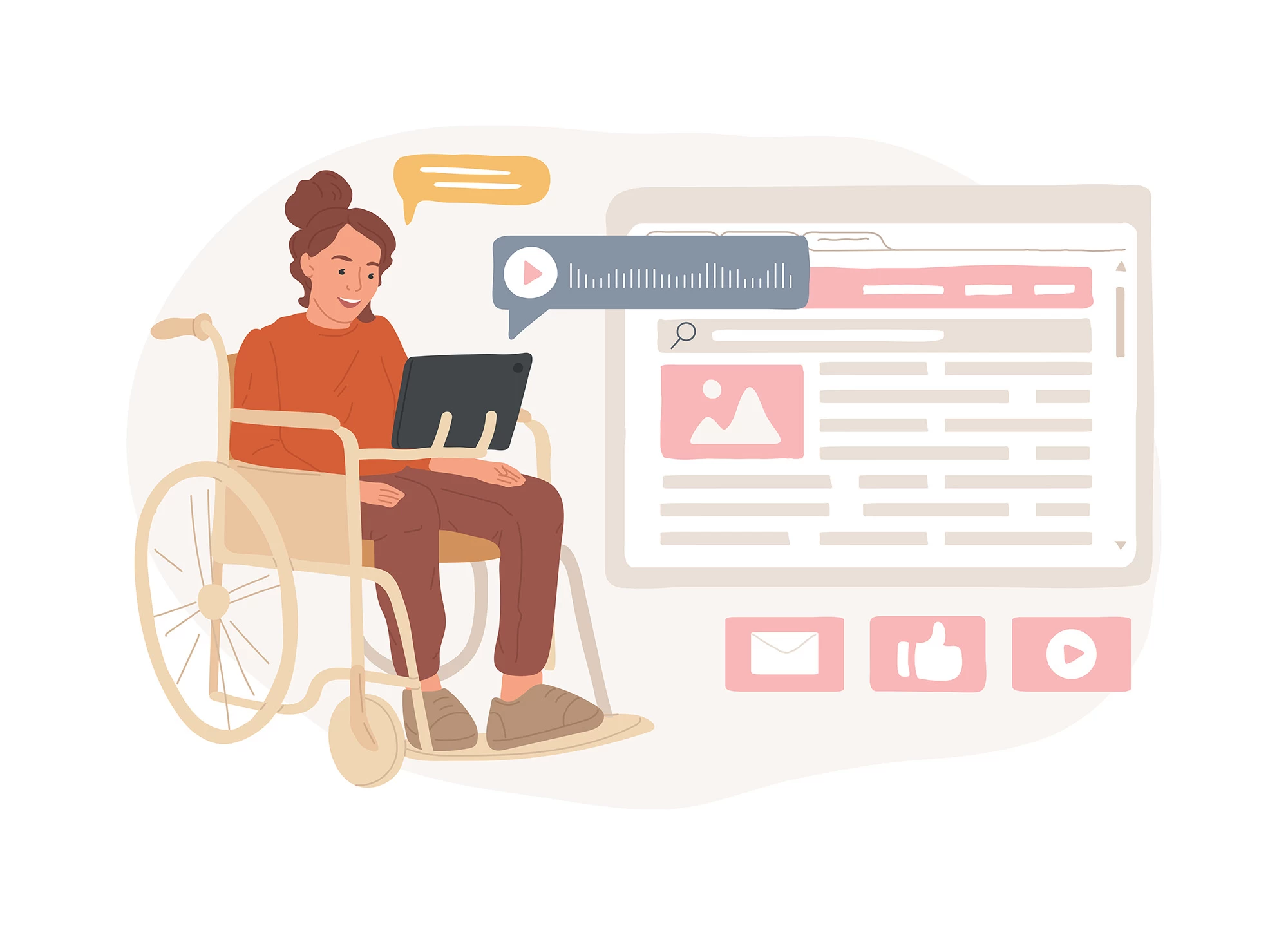
Accessible design is all about making sure that everyone, regardless of their abilities whether they have visual, auditory, cognitive, or motor challenges, can easily navigate and interact with your website.
It includes:
Alt text for images
Proper headings
Strong color contrast
Keyboard-friendly navigation
Clear content structure
Accessible forms
Transcripts and captions
This isn’t just great for users. It also helps to build a solid technical SEO foundation.
2. How Accessibility Improves SEO
Search engines really focus on websites that offer an excellent user experience. Accessibility plays a crucial role in influencing various ranking signals.
Better Crawlability with Headings (H1–H6)
Properly structured headings are essential for helping Google index your pages correctly, and they also make it easier for screen readers to navigate your content. Learn more - Google SEO Starter Guide.
Alt Text for Images
Alt text is essential because it helps search engines grasp what visuals are all about, boosts the visibility of image searches, and ensures that users with low vision can access content easily.
Faster Load Speeds (Core Web Vitals)
When it comes to accessibility, you'll often find that sites are built with clean code, lightweight images, and layouts that work well on mobile devices. This not only enhances the user experience but also boosts Core Web Vitals, which is a crucial factor for ranking.
Better Mobile Experience
Accessibility goes hand in hand with mobile usability. It’s all about making sure fonts are easy to read, touch targets are big enough, spacing is clear, and navigation is a breeze.
Structured Data for SEO
Accessible design plays a crucial role in creating clear landmarks and markup, which in turn helps search engines grasp the structure of a page and the context of its content.
3. How Accessibility Improves User Experience (UX)
Lower Bounce Rates
When your content is clear, easy to read, and simple to navigate, visitors tend to stick around longer and engage more.
Higher Conversions
Having accessible forms and clearly labeled buttons makes it a breeze for users to take action:
Filling out forms
Buying products
Booking services
Enjoying content without any hassle
This naturally leads to a boost in conversion rates.
Better Readability = Higher Engagement
Using readable fonts, contrasting colors, and tidy layouts benefits all users—not just those with disabilities.
Inclusive Experiences Build Trust
Brands that prioritize accessibility tend to earn a better reputation. When users feel welcomed and understood, they’re more likely to come back for more.
4. Accessibility + SEO = A Stronger Website
A website that prioritizes accessibility is simply:
Easier to navigate
Easier to comprehend
Easier for search engines to index
Easier to expand and maintain
Remember, accessibility isn't just a passing trend. It's a smart, long-term investment in boosting your rankings and enhancing user satisfaction.
5. Tools to Help You Improve Accessibility & SEO
6. Need Help Making Your Website Accessible?
At Akshari Solutions, we’re all about helping brands build websites that are not only accessible and compliant but also optimized for SEO.
Conclusion
Making your design accessible not only enhances SEO but also lowers bounce rates, increases conversions, and fosters a more seamless and inclusive experience for users. Search engines aim to provide the best content possible, and a well-structured, accessible website is the key to achieving higher rankings.
By investing in accessibility now, you’ll see a boost in your organic visibility and user satisfaction that pays off in the long run.